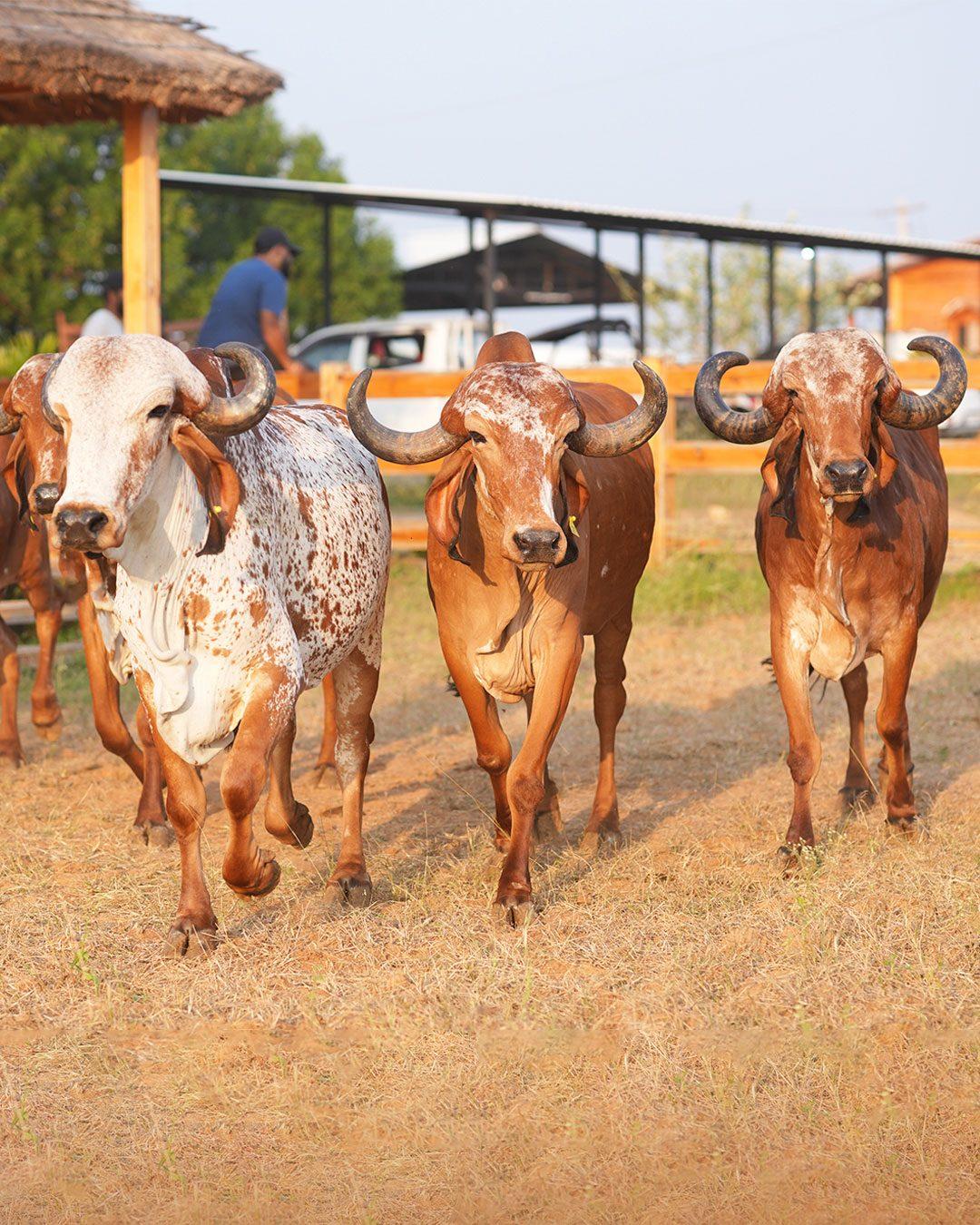
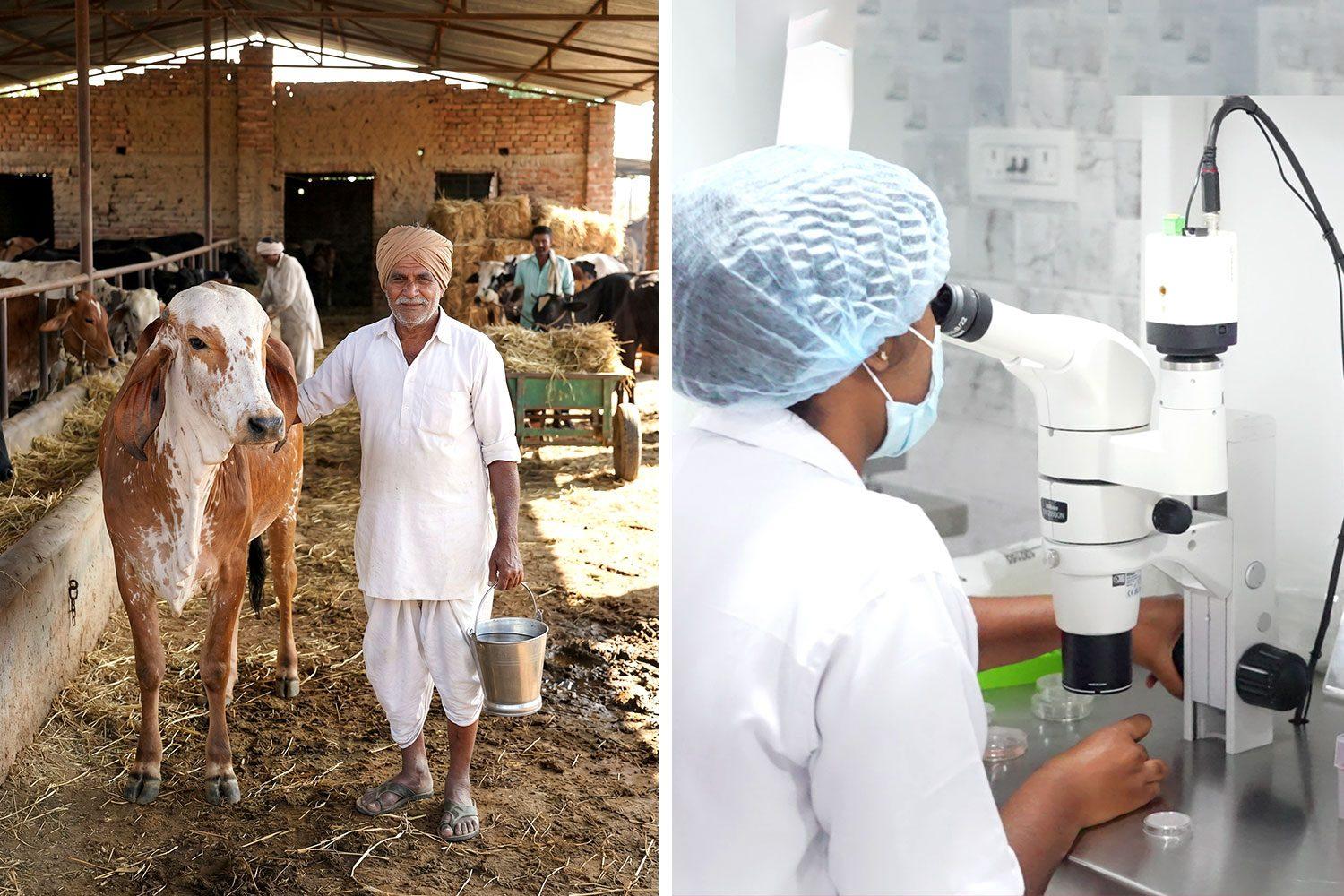
Is IVF right for my farm?
Natural Breeding vs IVF: What’s the Real Difference?
Compare natural breeding and IVF in cattle. Learn which method is better for genetic improvement, milk production, and long-term dairy farm profitability.
3 min read
Introduction
Dairy farming today is at a turning point. While traditional practices like natural breeding have supported farmers for generations, modern technologies like In Vitro Fertilization (IVF in cattle) are transforming how herds are built and improved.
But the big question remains: Which method is better for your farm: natural breeding or IVF?
Understanding the real difference between the two is essential for making the right decision for your herd’s future and long-term profitability.
What is Natural Breeding?
Natural breeding is the traditional method where a bull mates directly with a cow for reproduction.
It is widely used because:
- It is simple and familiar
- Requires minimal technical intervention
- Has been practiced for generations
However, simplicity often comes with limitations in terms of genetic progress and efficiency.
What is IVF in Cattle?
IVF (In Vitro Fertilization) is an advanced reproductive technology where embryos are created in a laboratory and then transferred into recipient cows.
This method allows farmers to:
- Use superior genetics
- Multiply elite animals
- Control breeding outcomes more precisely
Explore our IVF and embryo transfer services →
Natural Breeding vs IVF: Key Differences
1. Genetic Improvement
Natural Breeding:
- Slow and unpredictable
- Limited control over genetic quality
IVF:
- Rapid and targeted improvement
- Access to elite genetics
IVF gives farmers the power to build high-quality herds faster.
2. Reproductive Efficiency
Natural Breeding:
- One calf per cycle
- Dependent on bull availability
IVF:
- Multiple embryos from one donor
- Higher reproductive output
IVF maximizes the potential of high-value animals.
3. Control Over Breeding
Natural Breeding:
- Limited selection control
- Higher variability in offspring
IVF:
- Precise selection of sire and donor
- Predictable genetic outcomes
IVF offers scientific control over herd development.
4. Disease Risk
Natural Breeding:
- Higher risk of disease transmission
- Direct animal contact
IVF:
- Controlled and hygienic process
- Reduced health risks
IVF improves herd safety and biosecurity.
5. Cost Perspective
Natural Breeding:
- Lower initial cost
- Slower long-term returns
IVF:
- Higher initial investment
- Better long-term ROI through productivity
IVF is a strategic investment, not just an expense.
6. Suitability for Modern Dairy Farming
Natural Breeding:
- Suitable for small-scale or traditional setups
IVF:
- Ideal for progressive, growth-focused farms
- Supports large-scale genetic planning
IVF aligns with future-ready dairy farming practices.
When Should You Choose Natural Breeding?
Natural breeding may be suitable if:
- You have a small herd
- You prefer low-cost, traditional methods
- Genetic improvement is not a priority
When Should You Choose IVF?
IVF is the better choice if:
- You want rapid herd improvement
- You have high-genetic-value animals
- You aim for higher milk production
- You are building a long-term dairy business
Can Both Methods Work Together?
Yes. Many successful farmers use a combined approach:
- IVF for elite animals and genetic advancement
- Natural breeding for general herd maintenance
This balance helps optimize both cost and performance.
Conclusion
Natural breeding has been the backbone of dairy farming for years, but it comes with limitations in today’s competitive environment. IVF, on the other hand, offers speed, precision, and scalability.
The real difference lies in this: Natural breeding sustains a herd. IVF transforms it.
More on this question
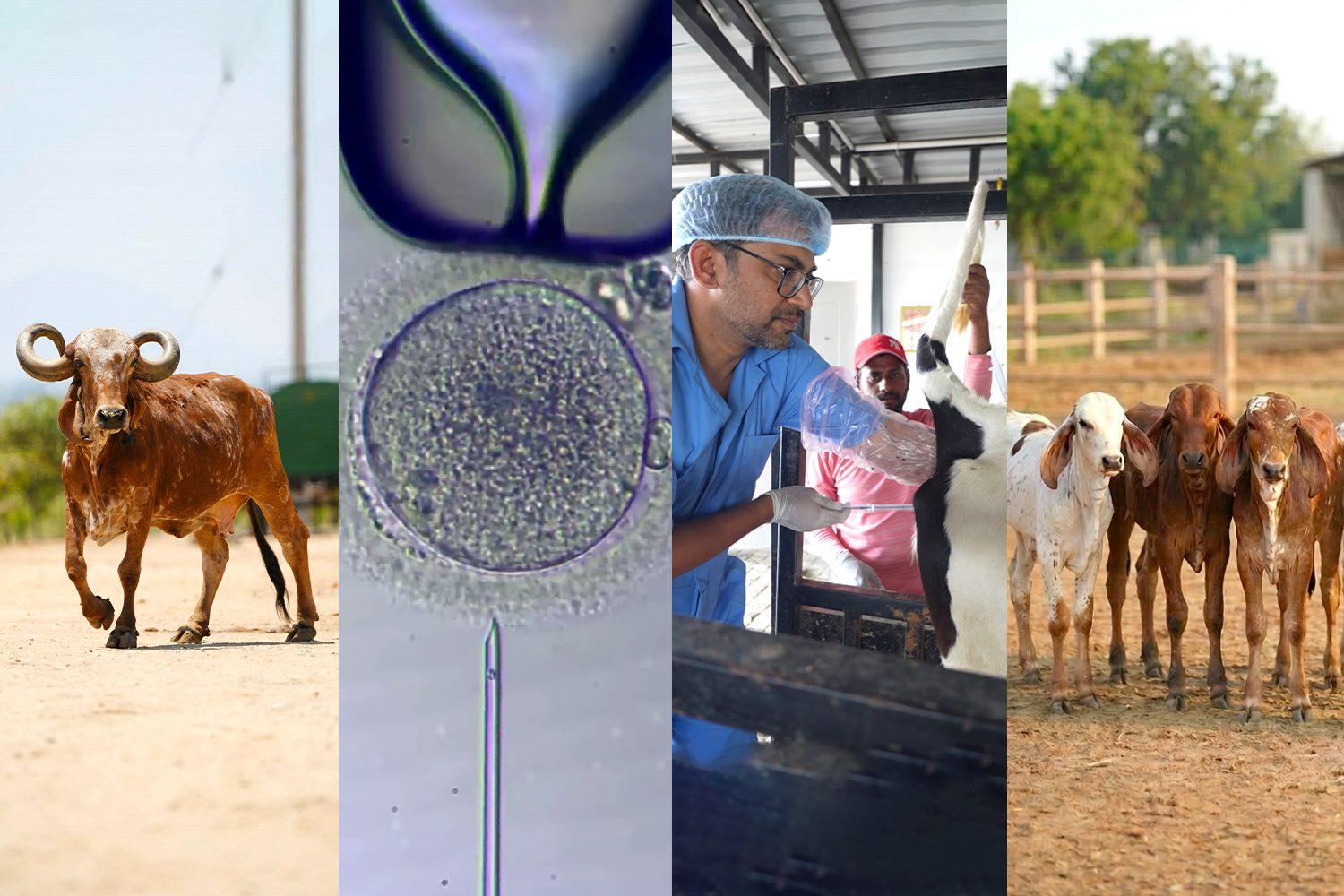
3 min read
How IVF Technology is Revolutionizing Indian Dairy Farming
Learn how IVF technology in cattle is transforming Indian dairy farming through faster genetic improvement, higher milk yield, and better herd productivity.
Read article
3 min read
IVF in Cattle: Myths vs Reality Every Farmer Should Know
Discover the truth about IVF in cattle. Learn myths vs reality, benefits, costs, and how IVF helps improve dairy herd genetics and profitability.
Read article