Glossary
Nobody should have to pretend they know what OPU means.
Terms in plain language
The words you will hear from our team, explained without the jargon.
Draft definitions, pending review by the Hebbevu lab team.
- OPUOvum pick-up
- Collecting eggs (oocytes) from a live donor cow’s ovaries using an ultrasound-guided needle. The cow is not harmed and the session can be repeated.
- Oocyte
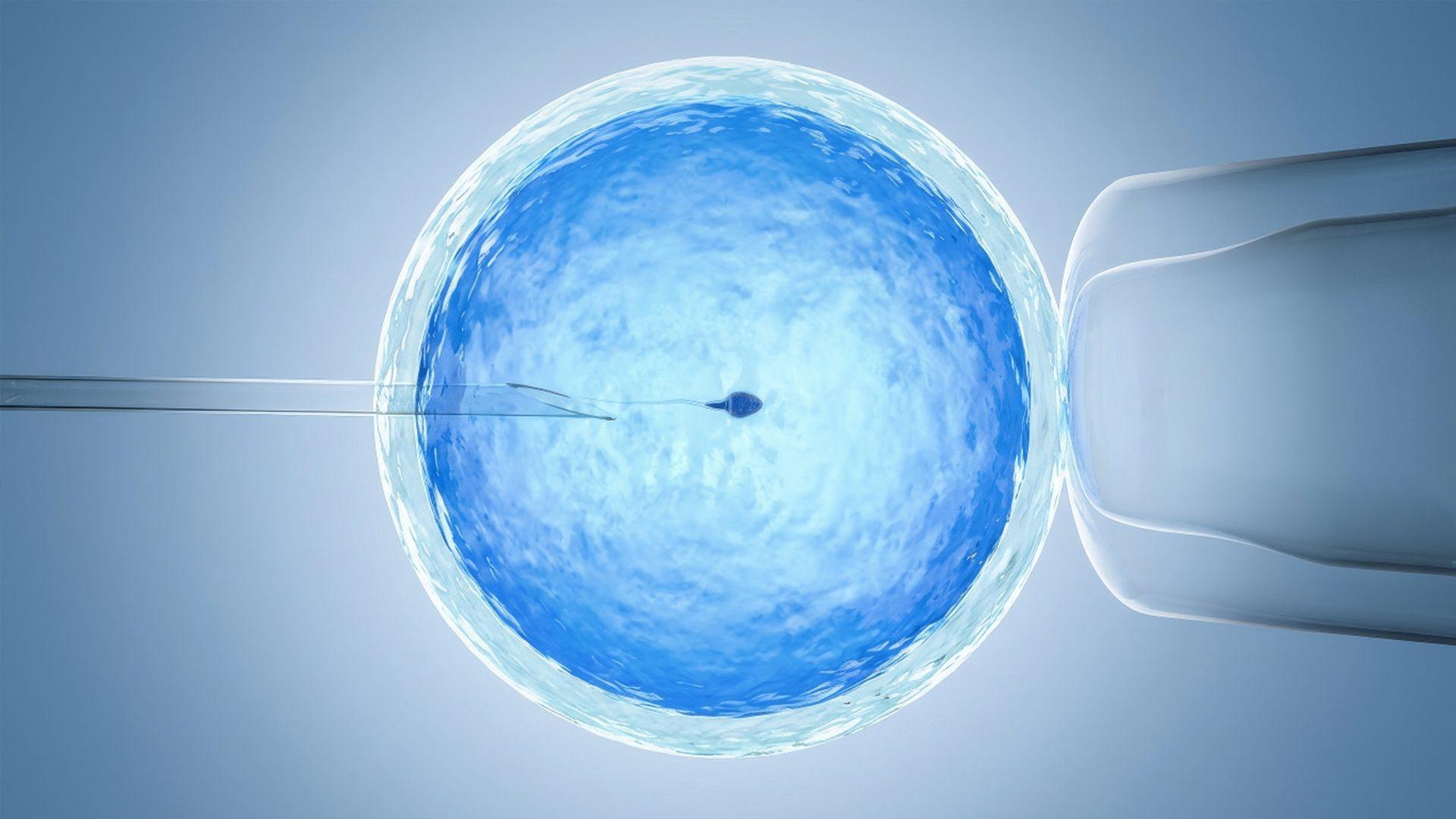
- An egg cell collected from the donor cow. Only good-quality eggs go on to be fertilised.
- IVFIn vitro fertilisation
- Fertilising eggs with semen in the laboratory instead of inside the cow, then growing the embryos for seven days.
- Embryo
- The fertilised egg after it has developed in the lab. After seven days it is either transferred or frozen.
- ETEmbryo transfer
- Placing an embryo into a recipient cow, who carries the pregnancy to term.
- Donor
- The genetically valuable cow whose eggs are collected. Her genetics are what IVF multiplies.
- Recipient (surrogate)
- A healthy cow that carries an embryo from another cow. She can be your own animal or one managed by Hebbevu.
- CLCorpus luteum
- A temporary structure on the ovary after a cow ovulates. A vet checks it to judge whether a recipient cow is ready for transfer.
- Synchronisation
- Bringing a cow’s cycle to the right stage on the right day for egg collection or embryo transfer, under a vet’s supervision.
- Sex-sorted
- Embryos produced with semen sorted to give, in most cases, a calf of the chosen sex, usually female for dairy.
- Vitrification
- Ultra-fast freezing of embryos so they can be stored in liquid nitrogen and transferred later.
- Cleavage
- The first divisions of a fertilised egg, checked on day 2 as an early sign that fertilisation worked.
- A2 milk
- Milk containing only the A2 type of beta-casein protein, characteristic of indigenous Indian breeds such as Gir and Sahiwal.
Want it explained for your herd?
Our team will walk you through the process, step by step.